
Linear Bearing Parts Stocking Guide for Rebuild Shops
Most rebuild shops stock the wrong linear bearings because they prioritize part numbers over environmental sealing.
Effective stocking for rebuild shops requires moving beyond generic part lists to match specific environmental sealing and mounting configurations. This prevents premature failure in harsh industrial settings like mining and heavy processing. A robust linear bearing stocking guide must account for dust ingress, moisture corrosion, and alignment stresses unique to refurbished machinery housings.
I have spent years working directly with maintenance teams across Southeast Asia, from coal mines in Kalimantan to palm oil mills in Malaysia. The pattern of failure is rarely due to load capacity miscalculations. Instead, it stems from a mismatch between the bearing’s protection level and the operating environment. When a shop stocks standard open-type bearings for a dusty mine site, the inventory becomes dead stock within weeks as units fail prematurely. Conversely, having the right mix of sealed and flanged units on hand can drastically reduce emergency downtime. This approach transforms inventory from a cost center into a reliability asset. [NEED_CITE: correlation between sealing type and bearing life in contaminated environments]
Why Do Standard Linear Bearings Fail in Rebuilt Equipment?
Premature failure in rebuilt equipment is often caused by ignoring the degradation of housing bores and misaligned mounting surfaces.
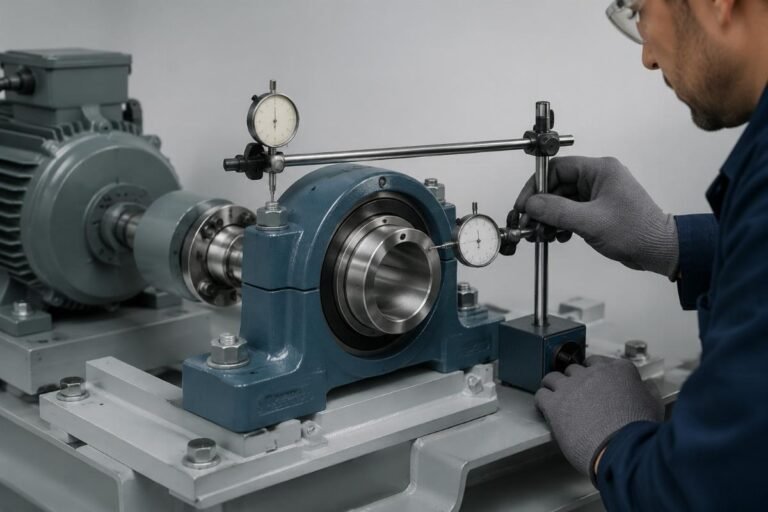
When machinery is stripped down for rebuild, the original housing bores are rarely perfect. Wear patterns, minor scoring, or slight out-of-round conditions are common. Standard block-style linear bearings rely on precise housing geometry for alignment. If installed in a worn bore without adjustment, they bind under load. This binding generates heat and accelerates wear on the ball circuits, leading to early seizure. [NEED_CITE: impact of housing tolerance on linear bearing performance]
In contrast, flanged linear bearings offer a degree of self-alignment and are easier to shim during installation. However, many rebuild shops default to block types because they are more commonly listed in original equipment manufacturer catalogs. This oversight ignores the reality of refurbished components. A linear bearing stocking guide should therefore prioritize flanged options for older equipment lines where housing integrity cannot be guaranteed to factory-new standards.
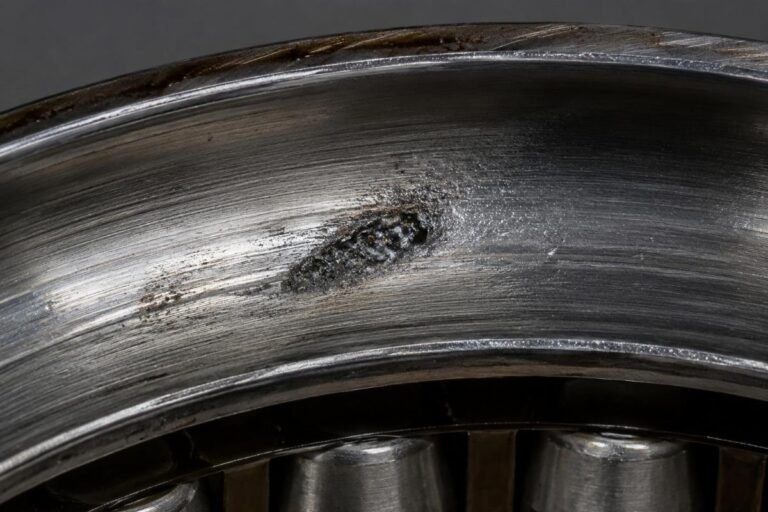
Another critical factor is the sealing mechanism. Open bearings are cost-effective in clean environments but act as magnets for contaminants in industrial settings. Dust particles enter the raceway, acting as abrasive grit that destroys the polished surfaces of the balls and races. In my experience, switching from open to sealed units in high-dust environments reduced replacement frequency significantly. The initial higher cost of sealed bearings is offset by the extended service life and reduced labor for frequent replacements.
How to Assess Environmental Risks Before Stocking?
Inventory decisions must be driven by a clear classification of environmental hazards such as dust, moisture, and chemical exposure.
Before placing any order, rebuild shops should categorize their client base by operating environment. A one-size-fits-all approach leads to either overstocking expensive specialized units or understocking critical protective features. The key is to map sealing requirements to specific industry sectors. For instance, mining operations generate fine particulate matter that penetrates standard shields. Agricultural and food processing environments often involve high humidity and washdown procedures, requiring corrosion-resistant materials.
A practical method is to use a sealing classification matrix. This helps technicians quickly identify the right product for the job.
| Environment Type | Primary Hazard | Recommended Sealing Level | Material Consideration |
|---|---|---|---|
| Clean Indoor | Minimal Dust | Open or Light Shield | Standard Steel |
| General Manufacturing | Moderate Dust/Oil | Rubber Seals (Standard) | Standard Steel |
| Mining/Construction | Heavy Dust/Abrasive | Full Contact Seals | Hardened Steel |
| Food/Marine Processing | Moisture/Corrosion | Stainless Steel or Coated | Stainless Steel |
| Chemical Processing | Corrosive Sprays | Fully Sealed + Coating | Stainless Steel or Ceramic |
This table serves as a quick reference for procurement teams. It ensures that the linear bearing stocking guide aligns with actual field conditions rather than theoretical specifications. [NEED_CITE: ISO standards for bearing sealing effectiveness]
In Malaysia, I observed a palm oil processing plant where unsealed guides corroded rapidly due to high humidity and organic acids. Switching to stainless steel variants with enhanced sealing extended service life meaningfully. The shop had previously stocked only standard carbon steel bearings, leading to frequent emergency orders. By adjusting their inventory to include a small buffer of stainless units, they stabilized their maintenance schedule.
What Are the Critical Mounting Configurations for Rebuilds?
Mounting configuration dictates alignment stability and ease of installation in non-ideal housing conditions.
The choice between flanged and block-style linear bearings is not just about dimensions; it is about mechanical forgiveness. Block styles are compact and rigid, ideal for new machines with precision-machined frames. However, in rebuild scenarios, frames may have shifted or warped over years of operation. Flanged bearings provide a larger mounting surface and allow for shimming, which compensates for minor misalignments.
Ignoring this distinction leads to binding and premature wear. A common mistake is replacing a failed flanged bearing with a block style because it is "in stock." This forces the technician to modify the housing or accept poor alignment, both of which compromise machine performance.
To address this, rebuild shops should maintain a balanced stock of both configurations. The ratio depends on the types of equipment they service. Heavy machinery like excavators and crushers often uses flanged mounts for durability. Precision machine tools may use block styles for accuracy. A comprehensive linear bearing stocking guide will segment inventory by these mounting types, ensuring that technicians have the right form factor for each repair job.
Additionally, consider the load direction. Some applications involve significant radial loads, while others face axial stresses. Flanged units generally handle radial loads better due to their wider footprint. Understanding these mechanical nuances helps in selecting the right spare parts before the machine is even disassembled.
How to Build a Resilient Spare Parts Inventory?
Resilient inventory balances high-turnover standard items with critical specialized units to minimize downtime.
Building a robust stock requires analyzing historical failure data and lead times. Relying on a single source for all parts creates vulnerability. If a specialized flanged unit is out of stock locally, waiting for international shipping can halt production for days. Diversifying suppliers and keeping a strategic buffer of critical items mitigates this risk.
One effective strategy is to categorize parts into A, B, and C classes. Class A items are high-volume, standard bearings used across multiple machines. These should always be in stock. Class B items are specialized, such as sealed or stainless steel variants, used in specific harsh environments. Keep a moderate buffer of these. Class C items are rare, custom-sized bearings. These can be sourced on demand, provided reliable supply chains are established.
| Inventory Class | Description | Stocking Strategy | Example |
|---|---|---|---|
| Class A | High Turnover, Standard | High Stock Level | Open/Standard Seal Block Types |
| Class B | Specialized, Harsh Env | Moderate Buffer | Sealed Flanged, Stainless Steel |
| Class C | Rare, Custom Sizes | On-Demand Sourcing | Non-standard Diameters, Large Units |
This tiered approach optimizes capital usage while ensuring availability. [NEED_CITE: best practices for MRO inventory turnover ratios]
In Indonesia, a mining repair shop faced repeated delays because they relied solely on standard open bearings. When a critical crusher failed due to dust ingress, they had no sealed alternatives in stock. Implementing a mixed-brand strategy allowed them to keep genuine, high-quality sealed bearings from various global manufacturers. This flexibility reduced their emergency order lead times from weeks to days. A well-structured linear bearing stocking guide supports this flexibility by identifying which brands and types offer the best value and availability for local conditions.
Access to genuine products from premium brands like SKF, FAG, NSK, and INA ensures quality consistency. Mixing these with reliable domestic lines provides cost-effective options for less critical applications. This blend allows rebuild shops to offer tailored solutions to their clients, balancing performance and budget.
Conclusion
Smart stocking transforms maintenance from reactive firefighting to proactive reliability management.
Rebuild shops must move beyond generic part numbers to embrace environmental and mechanical specifics. By matching sealing types to hazards and mounting configurations to housing conditions, businesses can significantly reduce downtime and total cost of ownership. A dynamic linear bearing stocking guide is essential for navigating these complexities, ensuring that the right parts are available when needed most.
-- TAGS