
SNL Housing for Wind Turbine Assembly – Wholesale Supplier
Catalog dimensions are rarely enough for reliable wind turbine operation.
Successful SNL housing installation wind turbine projects depend on precise on-site alignment, verified shaft tolerances under load, and environment-specific sealing strategies rather than blind adherence to standard dimensional tables. Ignoring thermal expansion in high-altitude sites or salt spray corrosion in coastal zones leads to premature bearing failure and costly unplanned downtime.
I started my career machining bearing housing blanks in a workshop before moving into field support for international projects. This background means I look at a split pillow block not just as a catalog item, but as a critical interface between the rotating shaft and the stationary structure. In Mexico’s Oaxaca region, I spent considerable time at wind farm sites where the gap between theoretical specifications and ground reality became painfully clear. One specific instance in Bahia, Brazil, involved a batch of housings selected strictly by sample parameters. Upon arrival, the main shaft clearance did not match the bearing requirements, and the housing locating pin holes were misaligned relative to the baseplate. The entire shipment was held at the port while rework schemes were debated, delaying the vessel schedule by over a month. That incident reinforced a non-negotiable rule: housing selection must always cross-reference installation interface drawings and account for local environmental stressors, particularly in high-altitude or coastal saline environments. Choosing the wrong housing compromises the entire turbine assembly.
The following sections detail the practical steps and technical considerations required to ensure reliability in harsh operating conditions.
Why Does SNL Housing Installation Fail in Wind Turbines?
Misalignment and environmental degradation are the primary drivers of premature housing and bearing failure.
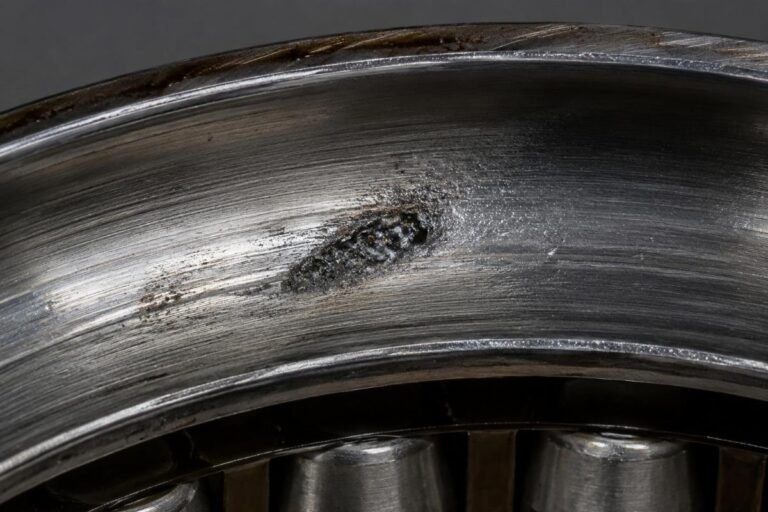
Many installers assume that if the bearing fits inside the housing, the job is done. However, the housing acts as the structural foundation for the bearing. If the housing distorts during bolt tightening or shifts due to thermal cycles, the internal clearance of the spherical roller bearing changes, leading to edge loading and early fatigue. [NEED_CITE: common failure modes in large diameter bearing applications per ISO 15243]
In coastal Latin American projects, such as those near the Brazilian shore, salt spray penetrates standard labyrinth seals. This causes the elastomer compounds in lip seals to harden and crack, allowing corrosive moisture to enter the housing. Once moisture mixes with grease, it forms an abrasive paste that accelerates wear on both the bearing rollers and the housing bore. In contrast, inland sites may face different challenges, such as fine dust ingress, which requires different sealing geometries.
Another frequent cause of failure is improper bolt torque sequence. If cap bolts are tightened randomly rather than in a specified cross-pattern, the housing halves can twist slightly. This distortion reduces the effective internal clearance of the bearing, causing it to run hot and fail prematurely. Understanding these mechanical interactions is essential before beginning any SNL housing installation wind turbine procedure.
What Pre-Installation Checks Are Non-Negotiable?
Verify shaft dimensions, surface finish, and housing bore integrity before unpacking bearings.
Skipping pre-installation verification is a common mistake that leads to significant rework costs. The shaft diameter must be measured at multiple points along the mounting area to check for taper or out-of-roundness. Even minor deviations can affect the interference fit required for the bearing inner ring. [NEED_CITE: standard shaft tolerance classes for heavy duty applications]
The housing bore itself must be inspected for cleanliness and damage. Any burrs or casting flash inside the bore can prevent the bearing outer ring from seating correctly. I recommend using a clean lint-free cloth and a suitable solvent to wipe the bore surface. Additionally, check the locating pins and holes on the baseplate. If these are worn or misaligned, the housing will not sit square, leading to uneven load distribution.
For wind turbines in high-altitude regions like the Andes in Chile or Peru, temperature swings between day and night are extreme. This thermal cycling affects the fit between the shaft and bearing. It is crucial to verify that the selected housing material and design can accommodate these expansions without inducing excessive stress on the bearing seats. Ignoring these factors often results in fit issues that only become apparent after assembly, causing delays similar to the port incident mentioned earlier.
How to Achieve Perfect Alignment and Fit?
Use proper tools for seating and ensure uniform bolt torque to prevent housing distortion.
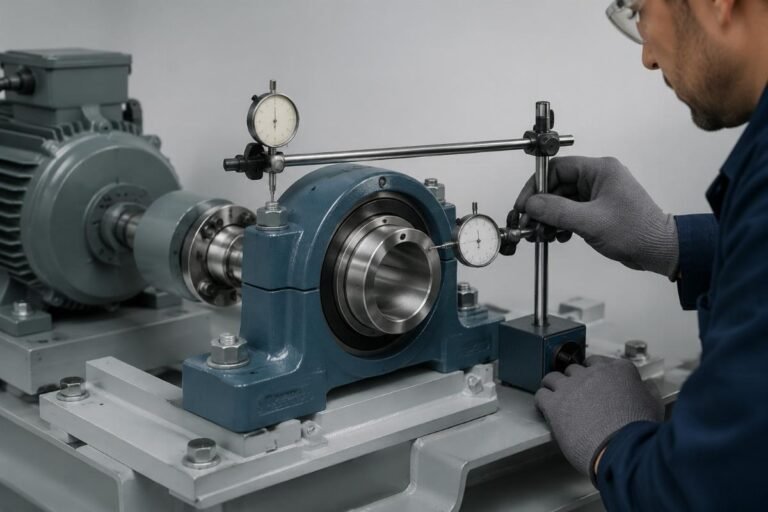
Achieving a perfect fit requires more than just hammering components into place. For large-diameter turbine shafts, visual alignment is insufficient. Laser alignment tools or dial indicators should be used to ensure the housing axis is parallel to the shaft axis. Misalignment as small as a fraction of a degree can significantly reduce bearing life. [NEED_CITE: alignment tolerance standards for large rotating machinery]
When mounting the bearing into the SNL housing installation wind turbine setup, apply a thin layer of anti-seize compound to the shaft surface. This prevents fretting corrosion and facilitates future removal. However, avoid applying excess compound, as it can migrate into the bearing and contaminate the grease. Ensure the bearing is seated firmly against the shaft shoulder using a hydraulic nut or induction heater, depending on the size and accessibility.
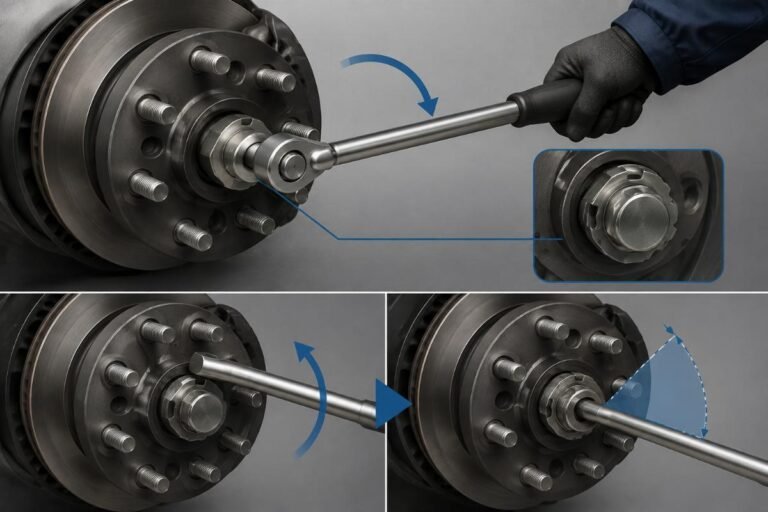
Torque the cap bolts in a sequential cross-pattern to ensure even clamping force. Start with hand-tightening, then move to partial torque, and finally to the full specified torque value. This method minimizes the risk of distorting the housing halves. After tightening, rotate the shaft manually to check for binding or unusual resistance. Any stiffness indicates potential misalignment or excessive preload, which must be corrected before commissioning.
Which Sealing Solutions Survive Harsh Climates?
Select lip seals or labyrinth seals based on specific site conditions like salt spray or dust.
Standard seals are not universal. In coastal environments, standard nitrile rubber seals may harden and crack due to ozone and salt exposure. For these conditions, seals made from fluorocarbon elastomers or specialized compounds resistant to chemical degradation are necessary. These materials maintain flexibility and sealing integrity even in aggressive saline atmospheres. [NEED_CITE: material compatibility guidelines for sealing elements in marine environments]
In dusty inland areas, labyrinth seals offer better protection against particulate ingress. These non-contact seals create a tortuous path that traps dust before it reaches the bearing chamber. For extreme conditions, a combination of labyrinth and lip seals can provide dual-stage protection. The choice of seal directly impacts the maintenance interval and overall reliability of the turbine.
When sourcing replacements, ensure the seals are compatible with the specific SNL housing installation wind turbine configuration. Genuine housings from reputable suppliers often come with optimized seal designs that match the housing geometry precisely. Using generic or mismatched seals can lead to gaps that allow contaminants to enter, negating the benefits of a robust housing design. Our inventory includes a range of high-performance seals suitable for various environmental challenges, ensuring that the sealing solution matches the operational reality of the site.
How to Verify Installation Quality Before Commissioning?
Perform final clearance checks and rotate manually to detect binding.
Before energizing the turbine, a final verification step is critical. Measure the radial internal clearance of the bearing after mounting to ensure it remains within the specified range. Thermal expansion during operation will reduce this clearance, so starting with the correct initial value is vital. [NEED_CITE: recommended residual clearance values for spherical roller bearings]
Rotate the shaft slowly by hand or using a barring tool. Listen for any unusual noises and feel for irregular resistance. Smooth rotation indicates proper alignment and seating. Any grinding or sticking suggests debris in the housing, misalignment, or incorrect fit. Address these issues immediately to prevent catastrophic failure during startup.
Document all measurements and observations. This record serves as a baseline for future maintenance and helps diagnose any issues that may arise during operation. A thorough verification process ensures that the SNL housing installation wind turbine assembly is ready for reliable long-term service.
Conclusion
Precision in installation prevents premature failure in wind turbine operations.
Reliable performance depends on verifying shaft and housing conditions, achieving precise alignment, selecting environment-appropriate seals, and conducting thorough pre-commissioning checks. These steps mitigate risks associated with thermal expansion, corrosion, and misalignment, ensuring extended service life for wind farm assets.
-- TAGS